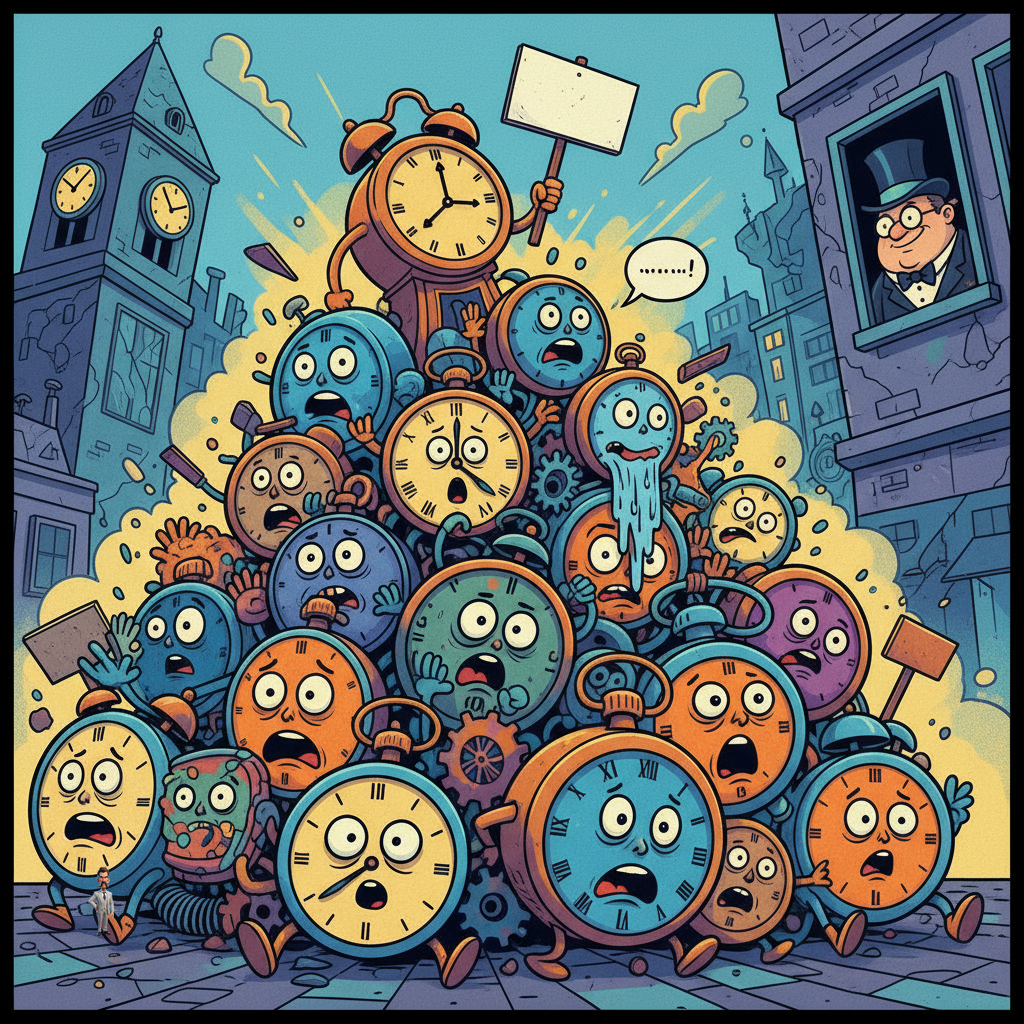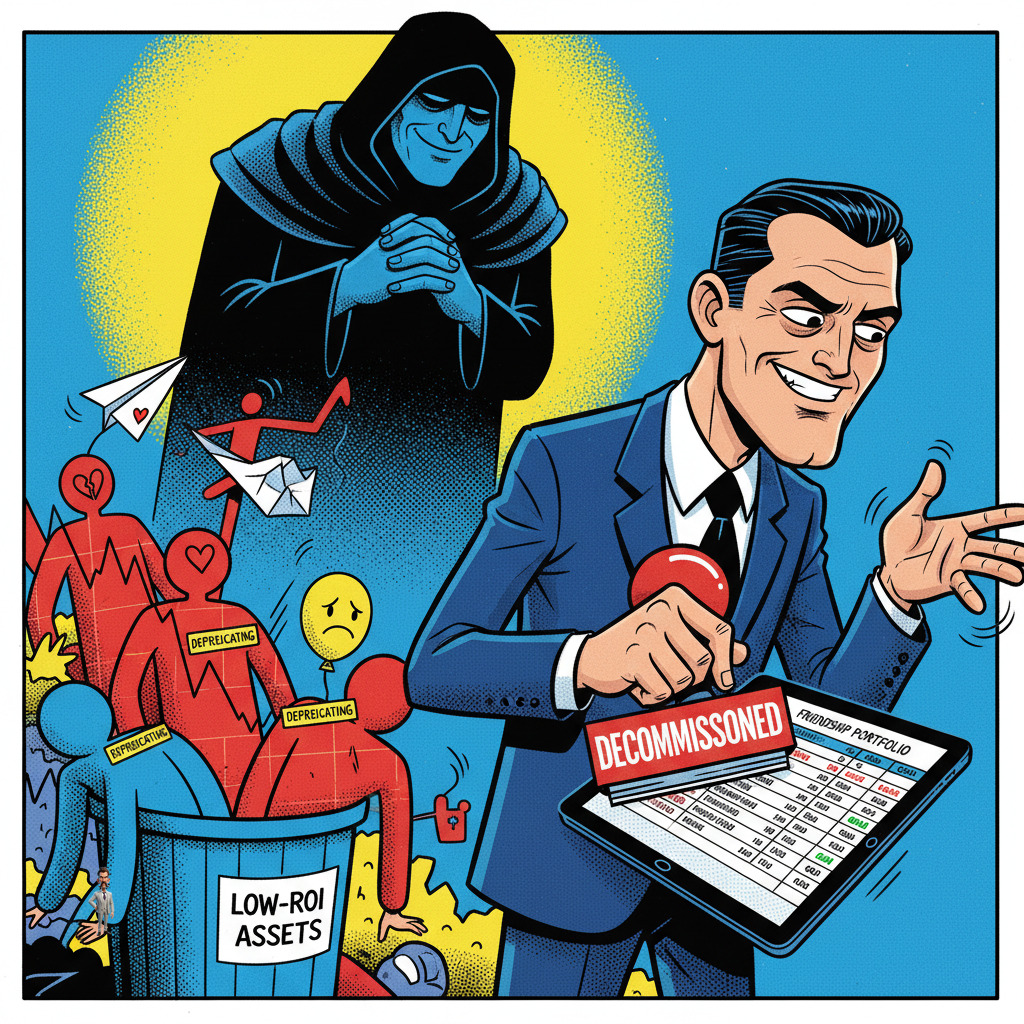
WASHINGTON D.C. – A growing number of American adults are reportedly engaging in rigorous "friendship portfolio optimization," a strategic re-evaluation of their social circles designed to maximize personal return on investment (ROI) and minimize emotional overhead. The trend, which mirrors corporate efficiency models, sees individuals categorizing friends by perceived value, resource allocation, and future growth potential.
"We're past the era of emotional dead weight," stated Dr. Brenda Carmichael, a consultant specializing in 'Social Asset Management.' "If a friendship isn't providing clear, quantifiable benefits—be it networking opportunities, emotional support that doesn't exceed 1.5 hours per month, or access to a vacation home—it's time to divest. Think of it as pruning a garden, but with people who used to know your deepest secrets."
Many participants are employing sophisticated metrics, including "Emotional Labor-to-Benefit Ratios" and "Social Capital Yields," to identify underperforming relationships. "My college roommate was a consistent drain on my mental bandwidth with zero upside," explained Chad Peterson, 34, who recently issued a 30-day notice to his former best man. "The data just didn't support continued engagement. It was a tough call, but my personal brand demands ruthless efficiency."
Critics argue the practice dehumanizes connection, but proponents insist it's merely a pragmatic approach to finite social resources. The movement is expected to peak just before the holiday season, as individuals aim to streamline their gift-giving and attendance obligations.
Sources close to the trend indicate that the next phase involves outsourcing friendship management to AI-powered algorithms.