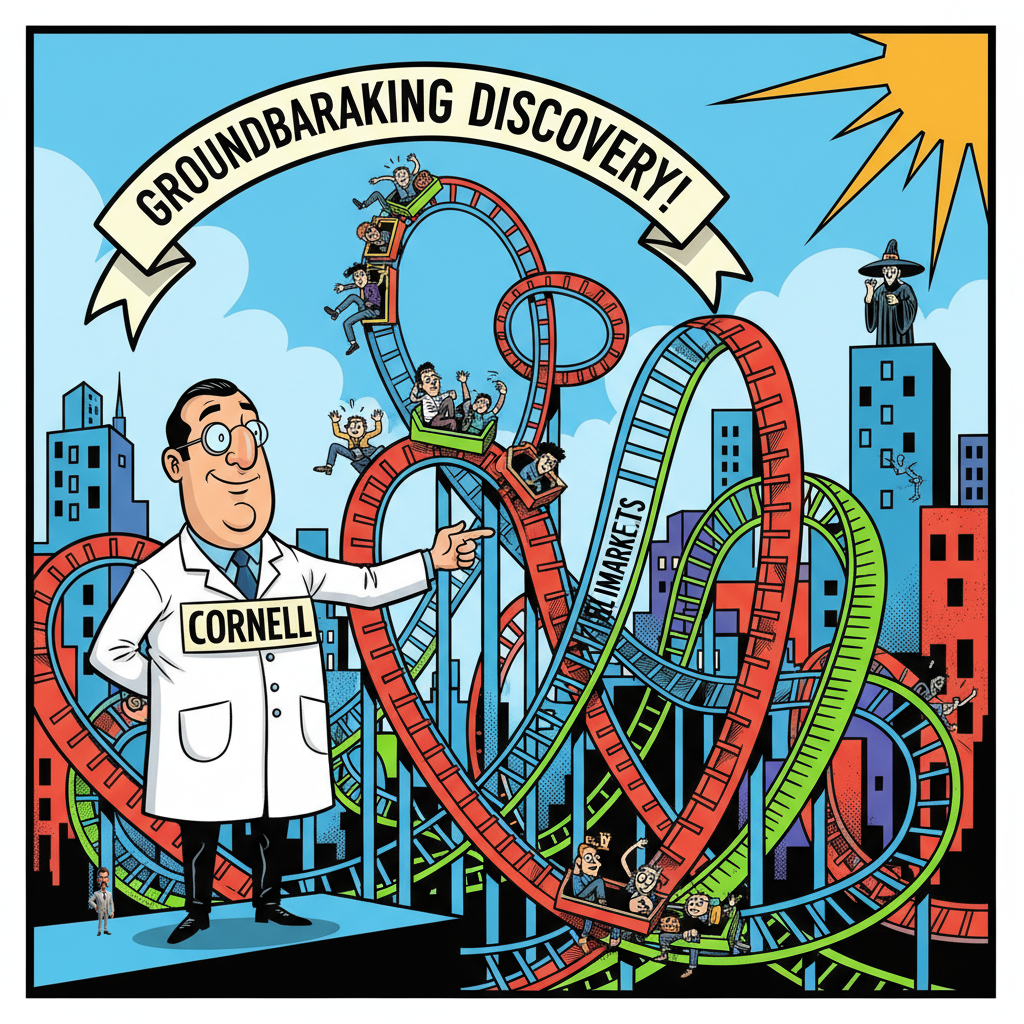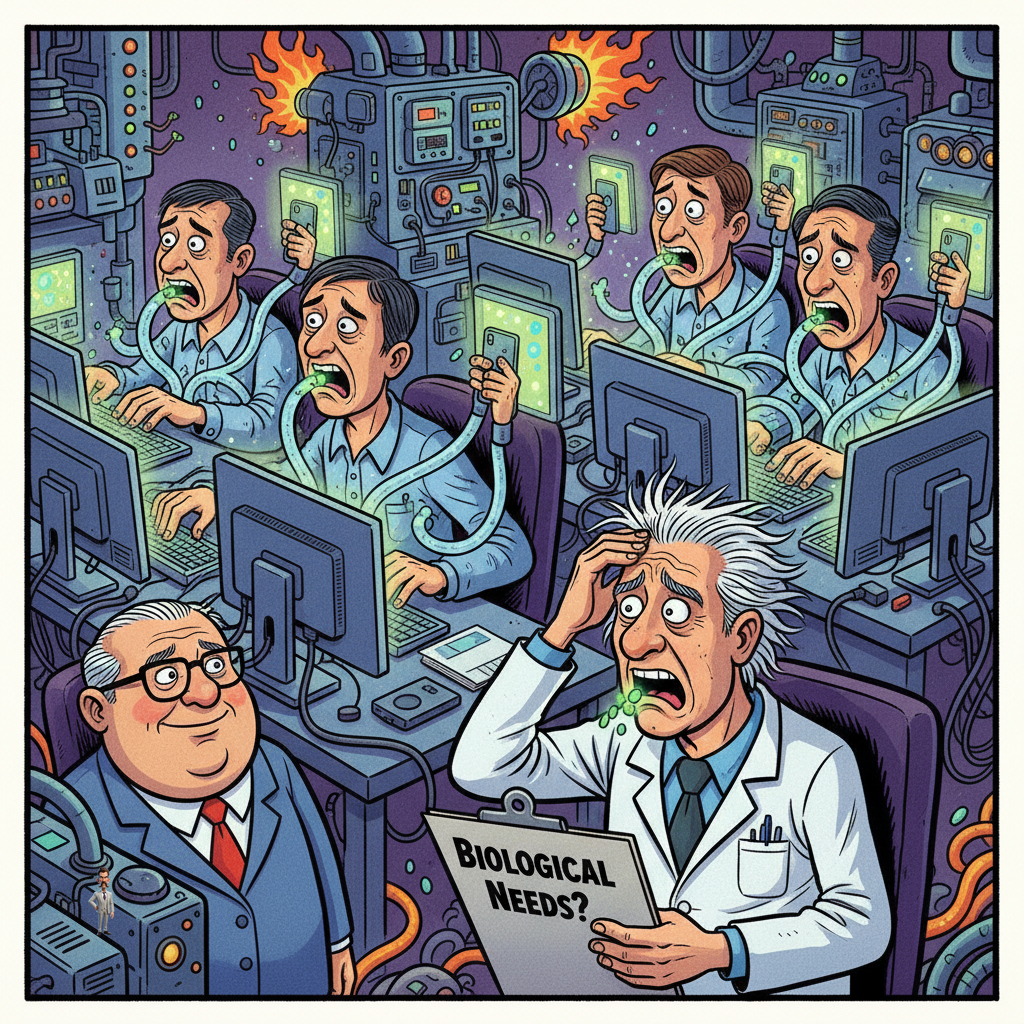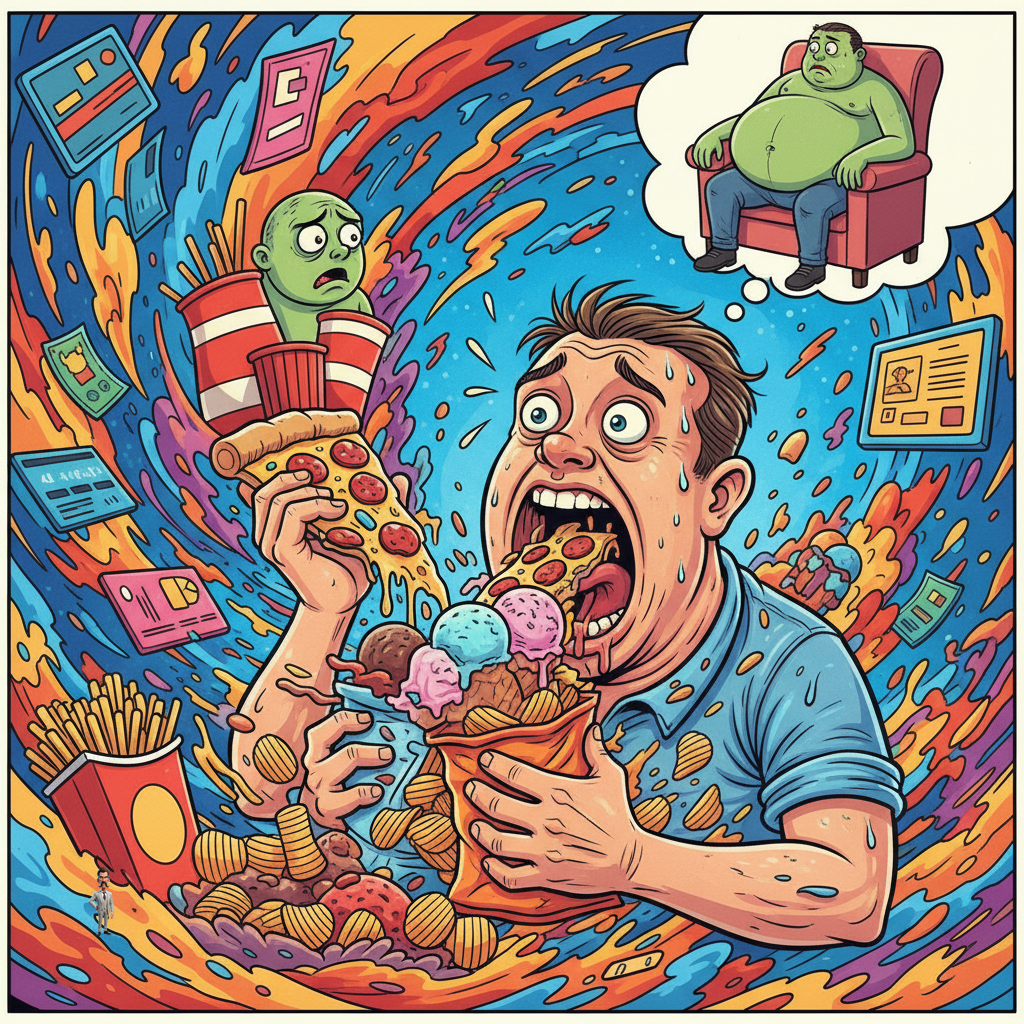
WASHINGTON D.C. – A multi-year, multi-million dollar study released today by the Institute for Obvious Human Behavior (IOHB) has definitively concluded that individuals frequently consume food in response to stress, often leading to feelings of self-recrimination. The findings, published in the peer-reviewed journal *Journal of Things Everyone Already Knew*, are expected to revolutionize how we understand the human condition.
“For years, we’ve operated under the assumption that people might, perhaps, consider eating a second bag of chips after a particularly grueling Monday,” stated lead researcher Dr. Evelyn P. Hindsight. “Our data now unequivocally confirms this hypothesis. Furthermore, we’ve found a strong correlation between the ingestion of said chips and a subsequent internal monologue questioning one’s life choices.”
The study involved thousands of participants who were subjected to common stressors such as email notifications, traffic jams, and the mere existence of their in-laws. Researchers then meticulously observed their dietary responses. “The patterns were striking,” Dr. Hindsight added. “A significant percentage reached for items high in sugar, fat, or both. And almost all of them later thought, 'Why did I do that?'”
Critics of the study have questioned its necessity, citing centuries of anecdotal evidence and the collective experience of literally every adult on the planet. However, the IOHB maintains that formal scientific validation is crucial. “It’s one thing to know it in your gut,” a spokesperson explained, “it’s another to have a peer-reviewed paper proving that your gut is now full of regret and half a pint of ice cream.”
The institute plans a follow-up study to determine if sleeping too little makes people tired.