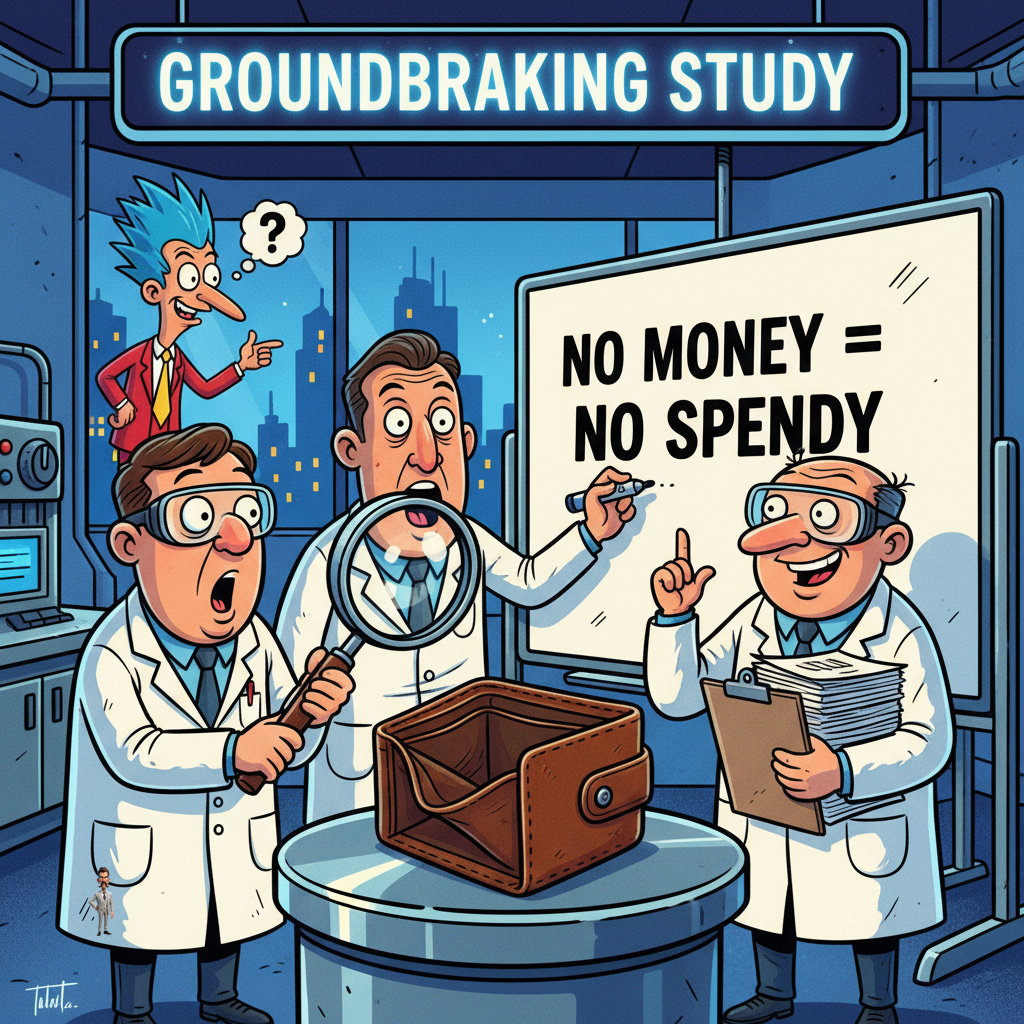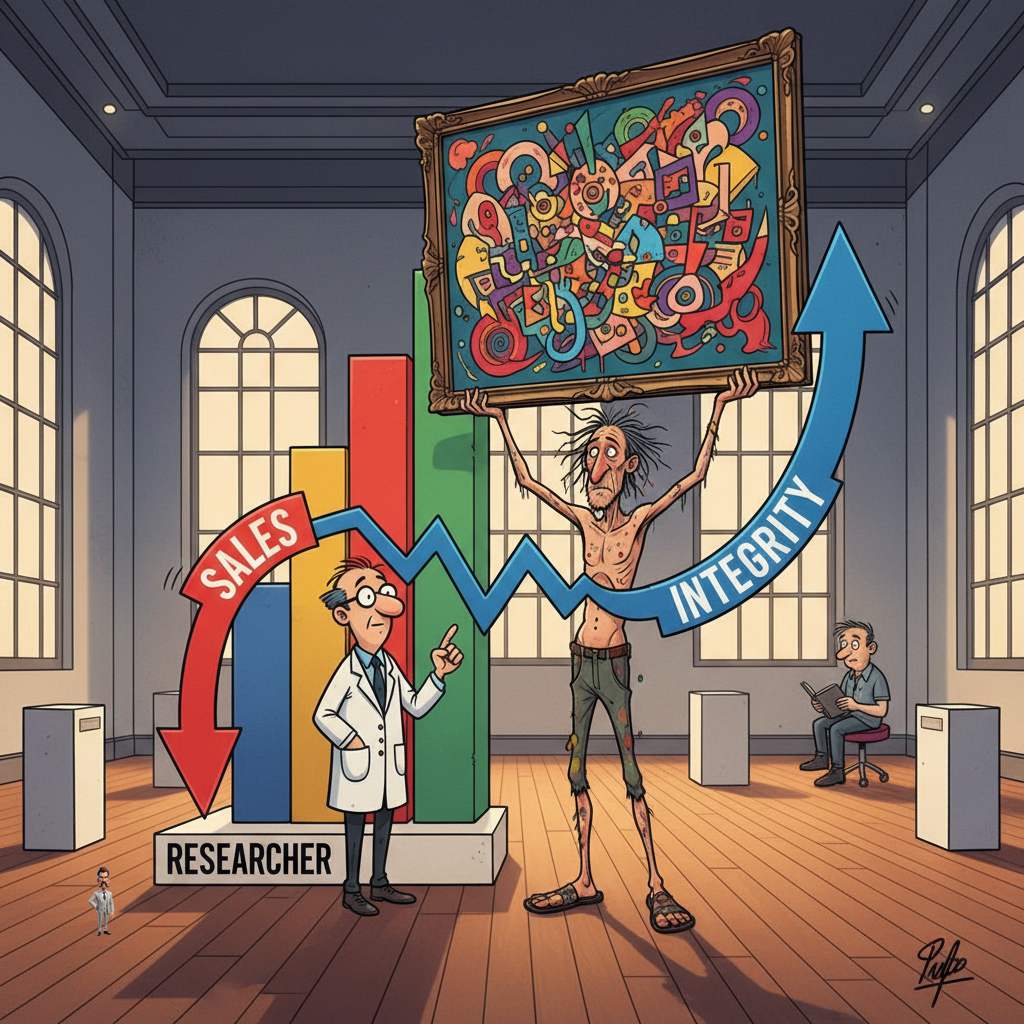
OSLO, NORWAY – A groundbreaking new study published by the Institute for Cultural Metrics has definitively linked artistic integrity to a quantifiable absence of commercial viability. The findings suggest that true creative purity acts as a powerful repellent to mass market appeal, ensuring that only the most compromised works achieve widespread recognition.
“Our data indicates a clear inverse relationship,” explained lead researcher Dr. Elara Vance. “The moment an artist begins to prioritize their unadulterated vision, their sales figures plummet. It’s almost as if the public instinctively recoils from anything genuinely original or thought-provoking, preferring instead the comforting familiarity of the derivative.”
The study analyzed decades of cultural output, from independent cinema to avant-garde literature, noting that critical acclaim often followed initial commercial neglect. “It’s a cruel irony,” Dr. Vance continued. “A work is deemed 'ahead of its time' only after its time has passed, and its creator has either starved or pivoted to advertising jingles.”
Industry insiders were quick to praise the study for finally putting a scientific stamp on what they’ve always known. “It’s why we tell them to make it more like that other thing that sold well,” commented studio executive Bryce Sterling. “We’re not stifling creativity; we’re just helping artists maintain their integrity by ensuring they don’t accidentally become popular.”
The institute plans a follow-up study to determine if artistic integrity can be reverse-engineered for maximum market failure.