NOTTINGHAM – A groundbreaking inquiry into the tragic Nottingham attacks of June 2023 has unveiled a truly bewildering revelation: the perpetrator, Valdo Calocane, had reportedly consumed violent video content online. This startling discovery has sent shockwaves through the academic community, prompting urgent calls for further research into what scientists are now tentatively calling the 'See-Do' phenomenon.
“We are in uncharted waters here,” stated Dr. Evelyn Pinter, Head of the Department of Causality and Unexpected Outcomes at the Institute for the Study of Blindingly Apparent Connections. “For centuries, we've operated under the assumption that watching a chef prepare a meal does not, in itself, turn one into a Michelin-starred restaurateur. This new data forces us to reconsider everything.”
The inquiry heard that Calocane’s phone analysis revealed a consistent pattern of viewing material depicting violent acts. This unprecedented correlation has led some to speculate about a potential link between observing an activity and, astonishingly, then performing a similar activity.
“It’s a truly complex interplay of variables,” explained Professor Alistair Finch, a Senior Fellow at the Centre for Advanced Redundancy Studies, speaking from his office adorned with 'No Smoking' signs next to a lit cigarette. “While we cannot definitively say that watching a person perform an action directly leads to another person performing that same action, the preliminary data is, frankly, quite suggestive.”
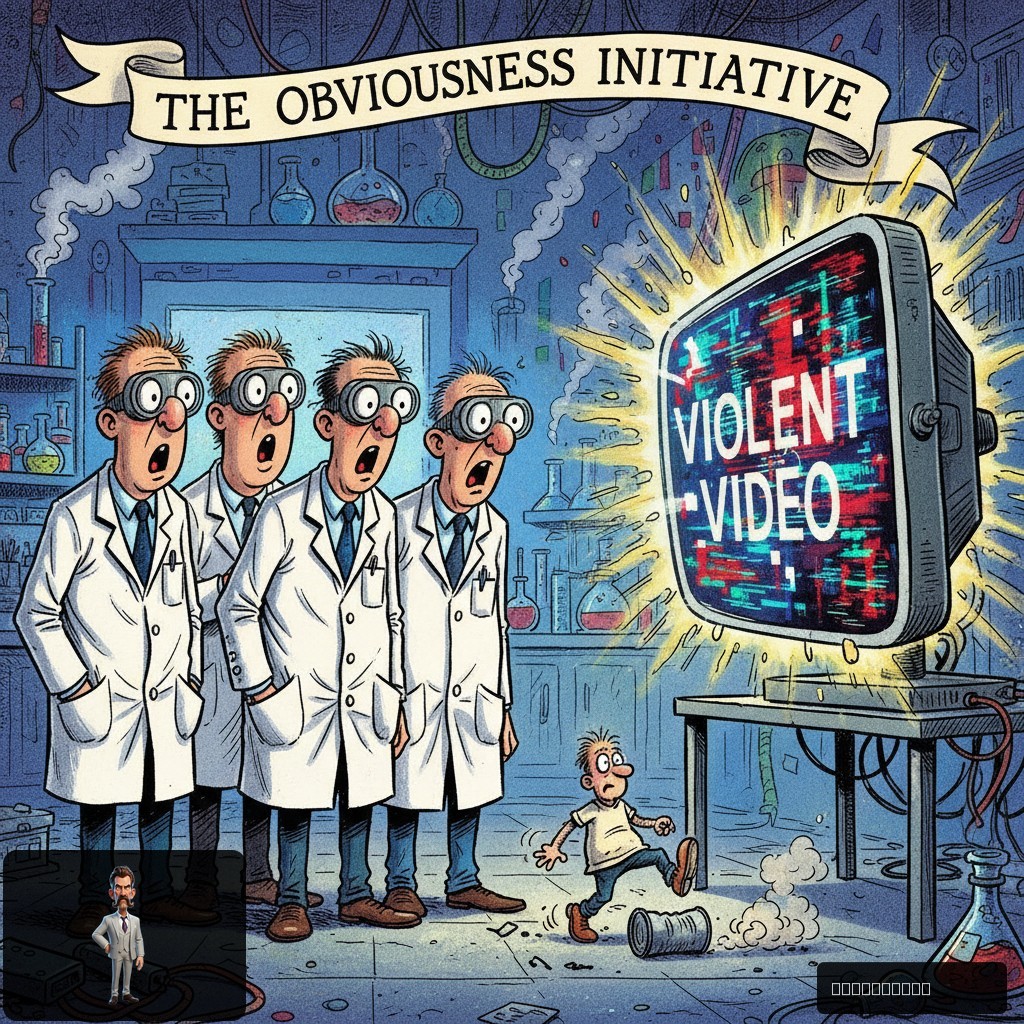
Funding has been fast-tracked for a new governmental task force, 'The Obviousness Initiative', aimed at exploring whether staring at a picture of a cat might, in some cases, lead to an individual thinking about a cat. Results are expected by 2047.