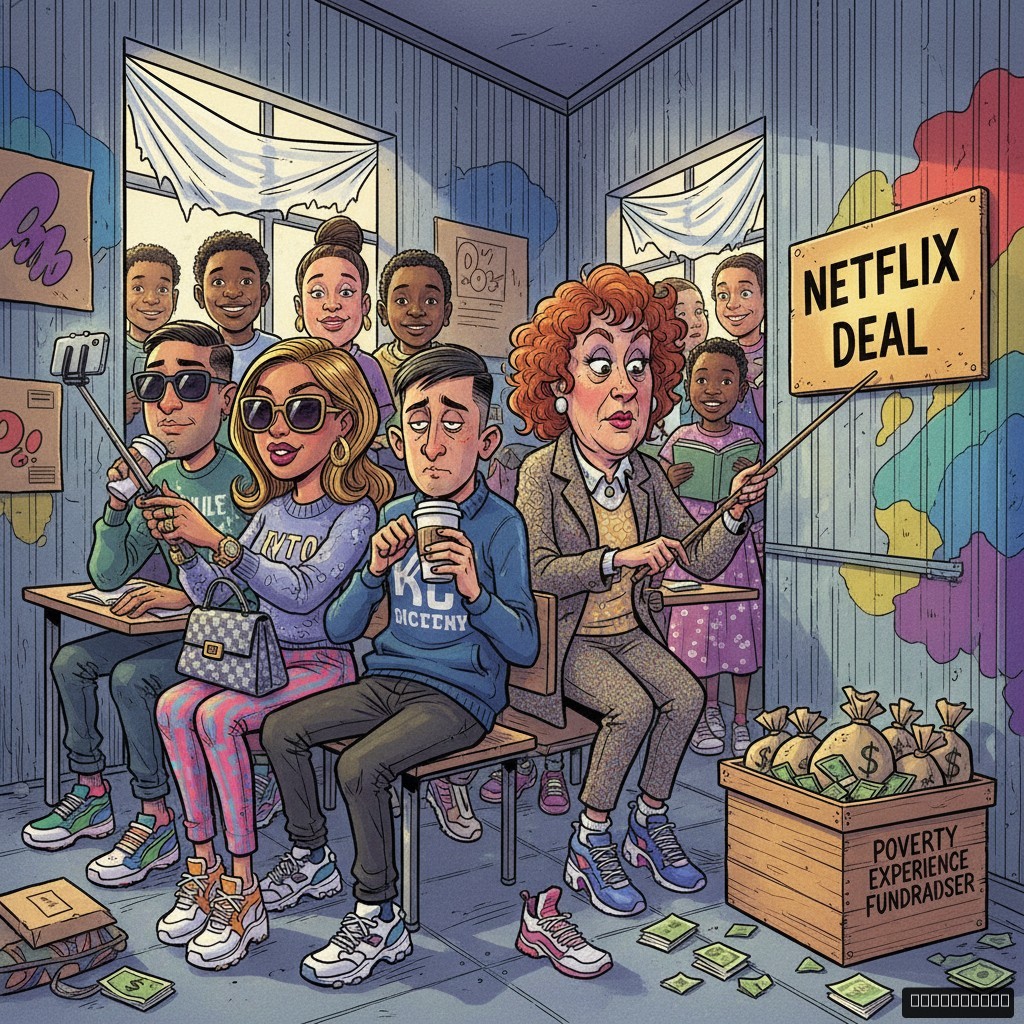
CAMBRIDGE, UK – Following the unexpected success of former Cambridge student Jade Franks, who parlayed her toilet-cleaning experiences into a hit Netflix play, elite institutions worldwide are scrambling to integrate 'Authentic Poverty Experience' (APE) modules into their curricula. The move aims to equip privileged students with 'grit' and 'relatability' for future media ventures.
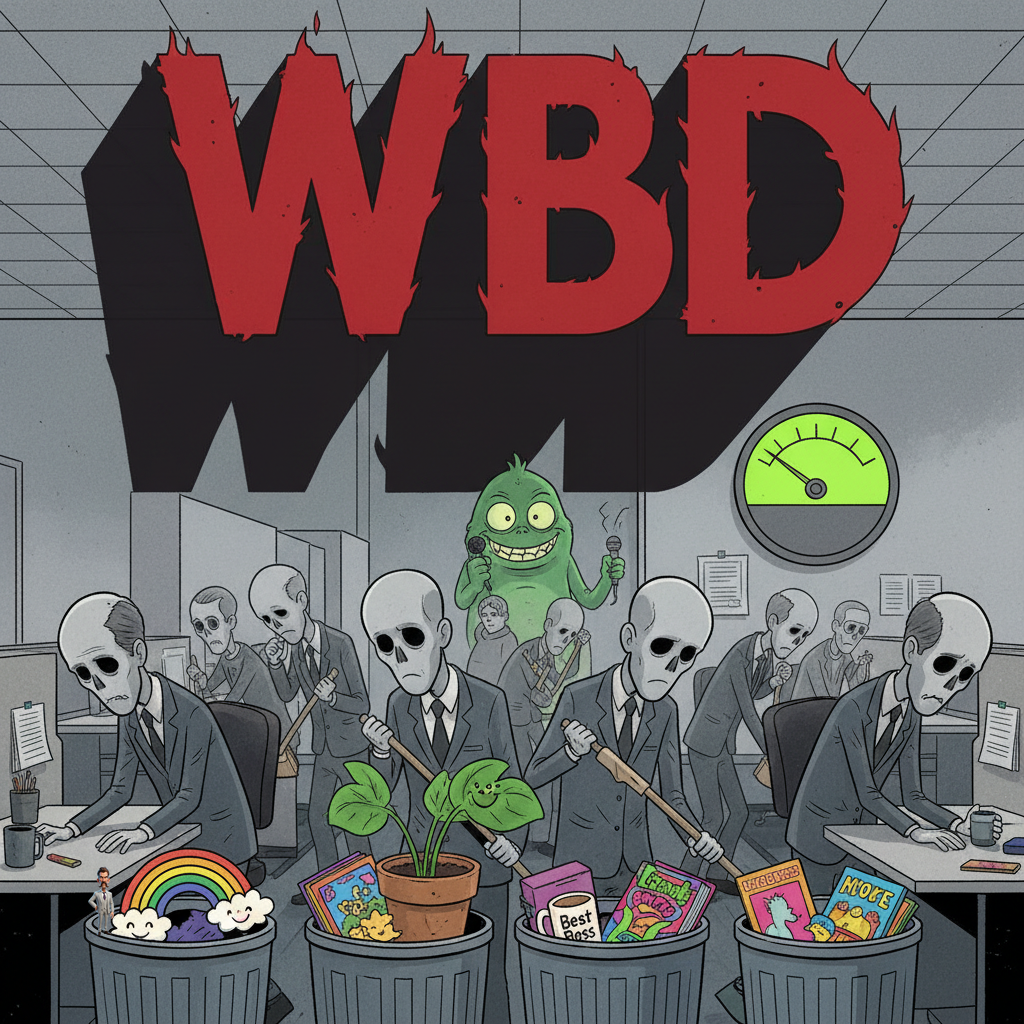
Cambridge University’s newly established 'Department of Experiential Socioeconomic Disadvantage' (DESD) announced a mandatory 'Janitorial Immersion' semester for all humanities undergraduates. 'We've long focused on academic rigor,' stated Professor Alistair Finch-Hatton, Head of DESD, adjusting his monocle. 'But we overlooked the critical role of manual labor in fostering the kind of 'struggle narrative' that captivates streaming audiences. Miss Franks has shown us the way forward, quite literally, through the U-bend of opportunity.'
Initial reports indicate a surge in applications for the 'Drain Unblocking & Existential Crisis' seminar, which promises to simulate real-world financial precarity by charging students an additional £3,000 tuition for the privilege of cleaning dorms. 'It's about empathy,' explained third-year PPE student Tarquin Featherstone-Smythe, polishing a toilet bowl with surprising vigor. 'And, you know, having a killer origin story for my inevitable biopic. My dad says it’s a sound investment.'
Analysts predict a 300% increase in 'working-class hero' narratives on major streaming platforms by 2025, driven by this new academic initiative. Critics, however, warn that actual poverty remains largely un-Netflixable.